
Understanding the psychological tricks that enhance gambling behavior
The Illusion of Control
One of the most significant psychological tricks in gambling is the illusion of control. Gamblers often believe they can influence the outcome of games, especially in skill-based games like poker. This perception leads individuals to make riskier bets, as they feel their decisions can sway the results. Research shows that when players engage in strategies, they perceive themselves as more skilled, enhancing their enjoyment and willingness to explore online crypto casinos further.

This phenomenon can be observed in various forms, such as choosing cards or rolling dice in a particular way. Such beliefs can drive gamblers to persist in their activities, even when statistical evidence suggests they have no control over the outcomes. Ultimately, the illusion of control not only fuels gambling behavior but also keeps players engaged in the game for longer periods.
The Gambler’s Fallacy
The gambler’s fallacy is a common cognitive bias that significantly influences gambling behavior. This fallacy leads individuals to believe that past outcomes affect future events in random games. For instance, if a player observes that a particular number hasn’t come up in a while, they might believe it is “due” to occur. This flawed reasoning can result in continued betting based on expected outcomes rather than reality.
Such thinking can be detrimental, as it often leads gamblers to chase losses or increase their stakes in the hope of a win. Understanding this psychological trick allows individuals to recognize when they are falling prey to such biases, potentially encouraging more rational decision-making and minimizing losses over time.
The Power of Near Misses
Near misses play a crucial role in reinforcing gambling behavior. When players almost win—such as coming close to hitting a jackpot—they experience a surge of excitement that can be misleading. This feeling of near success can lead to an increased desire to gamble, as players interpret these experiences as signs of potential success. The thrill of “almost winning” keeps them engaged and coming back for more.
Research indicates that near misses can activate the brain’s reward system, similar to actual wins. This can create a compelling loop where players feel driven to continue gambling, chasing that elusive win. Understanding how near misses work can provide insights into why many gamblers persist, even in the face of significant losses.
The Role of Social Influences
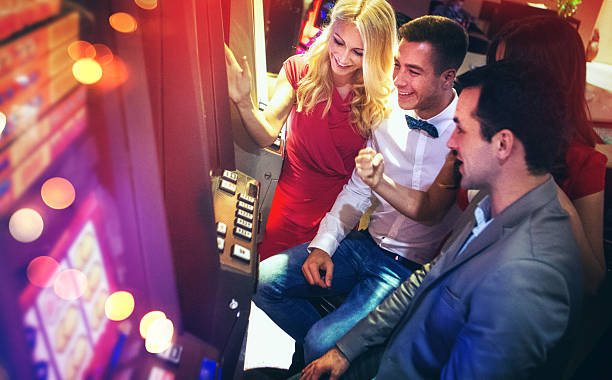
Social dynamics play a vital role in shaping gambling behavior. The presence of others can significantly impact an individual’s decisions, often leading to riskier bets. In settings like casinos or poker rooms, the social atmosphere can create a sense of camaraderie, which may encourage players to adopt more aggressive strategies or stay longer than intended.
Moreover, peer pressure can intensify gambling behavior, as individuals may feel compelled to conform to the group’s norms. This influence can lead to an environment where excessive gambling is normalized, further exacerbating the potential for financial losses and addictive behavior. Recognizing the impact of social influences is crucial for individuals who want to maintain a healthy relationship with gambling.
Understanding Gambling Resources
Many resources are available to help individuals understand gambling behavior and its psychological triggers. These resources provide valuable insights into the mechanisms that drive gambling and offer strategies for responsible gaming. By educating oneself on these psychological tricks, individuals can gain a better understanding of their gambling habits and work toward healthier behaviors.
Whether one seeks to limit their gambling or understand the factors that contribute to addictive behaviors, utilizing available resources is essential. It fosters a more informed approach to gambling, helping individuals balance enjoyment with responsibility and minimize the risks associated with gambling activities.